
Upkeep decision guide
Full Reset or Maintenance Detailing? A Condition-Based Choice
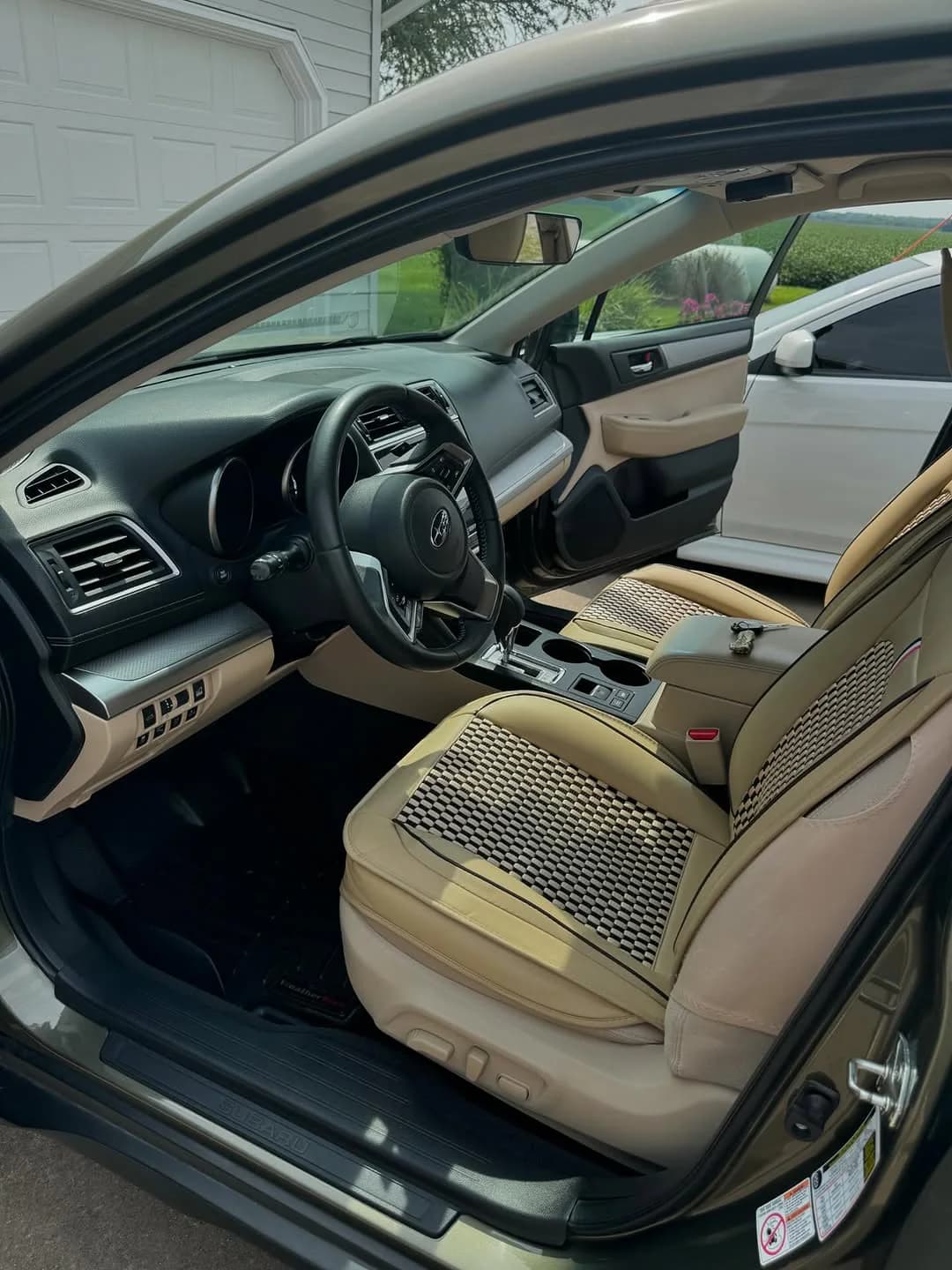
Maintenance detailing makes the most sense after a vehicle has a known baseline. If the cabin or exterior has not been reset, or if the current condition has moved far beyond that baseline, routine upkeep may be the wrong starting label. The useful question is not how many weeks have passed. It is how far the vehicle has moved from the condition you want to maintain.
Choose a reset when the baseline is unknown
A deeper first conversation fits when stains, embedded debris, pet hair, winter residue, or broad exterior buildup need to be assessed across the vehicle. It also fits when you have just acquired the vehicle and do not know the surface history, or when several conditions have accumulated at once.
Reset does not mean every mark disappears or every component becomes new. It means the scope begins with the current accumulated condition rather than assuming a previously established level of care.
- Unknown prior care
- Several condition types at once
- Embedded or long-standing material
- A major change in vehicle use
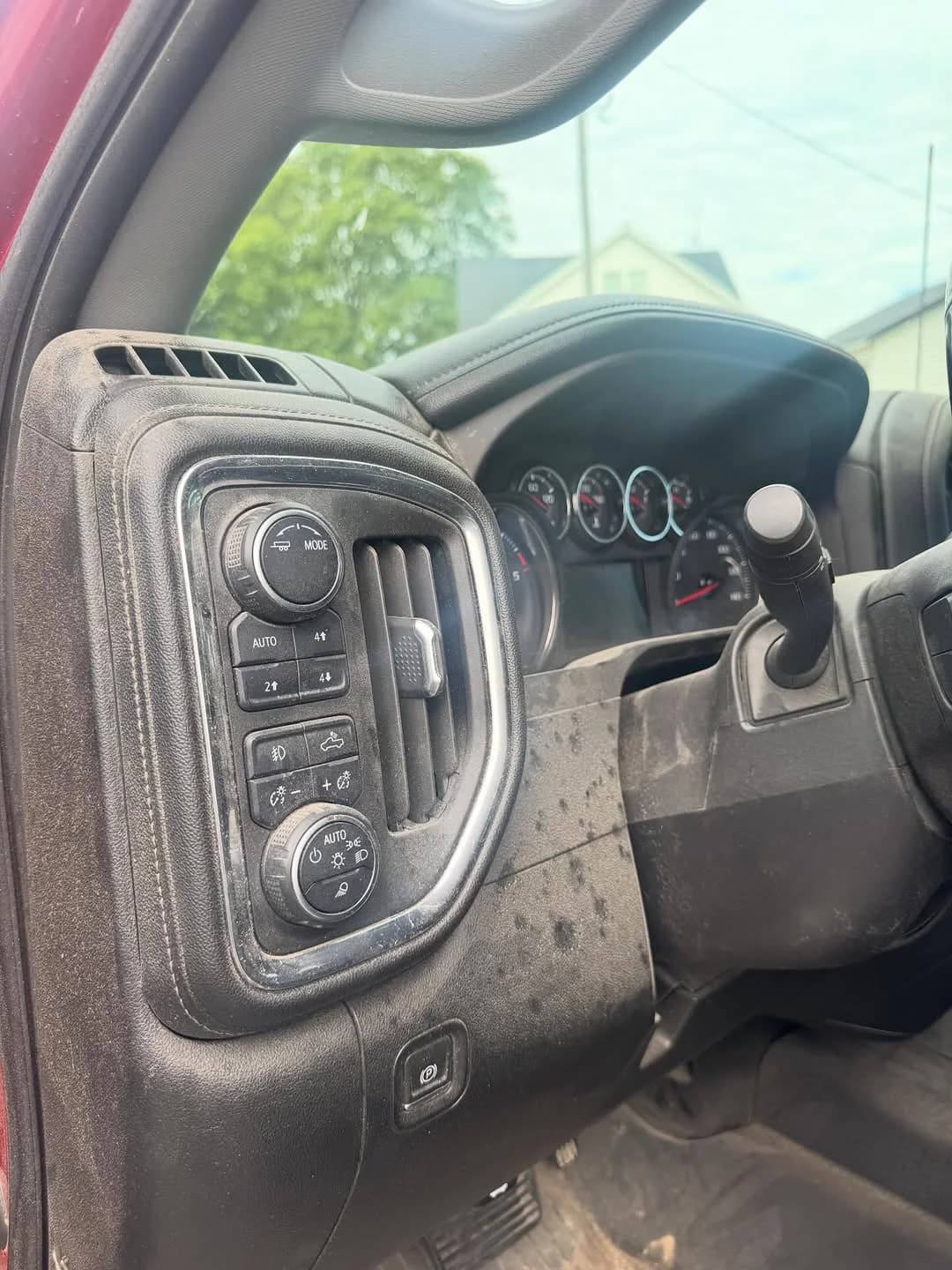
Choose maintenance when the baseline still exists
Maintenance is an ongoing-care conversation for a vehicle that has already had an initial reset and has not returned to a heavily accumulated condition. It can help keep routine material closer to the surface and make the desired standard easier to describe.
There is no responsible universal interval on this site. Daily mileage, children, pets, jobsite use, weather, parking, eating in the vehicle, and the owner's preferred finish all change the condition curve. Evolution X invites customers to ask about maintenance plans, with the actual cadence and scope confirmed directly.
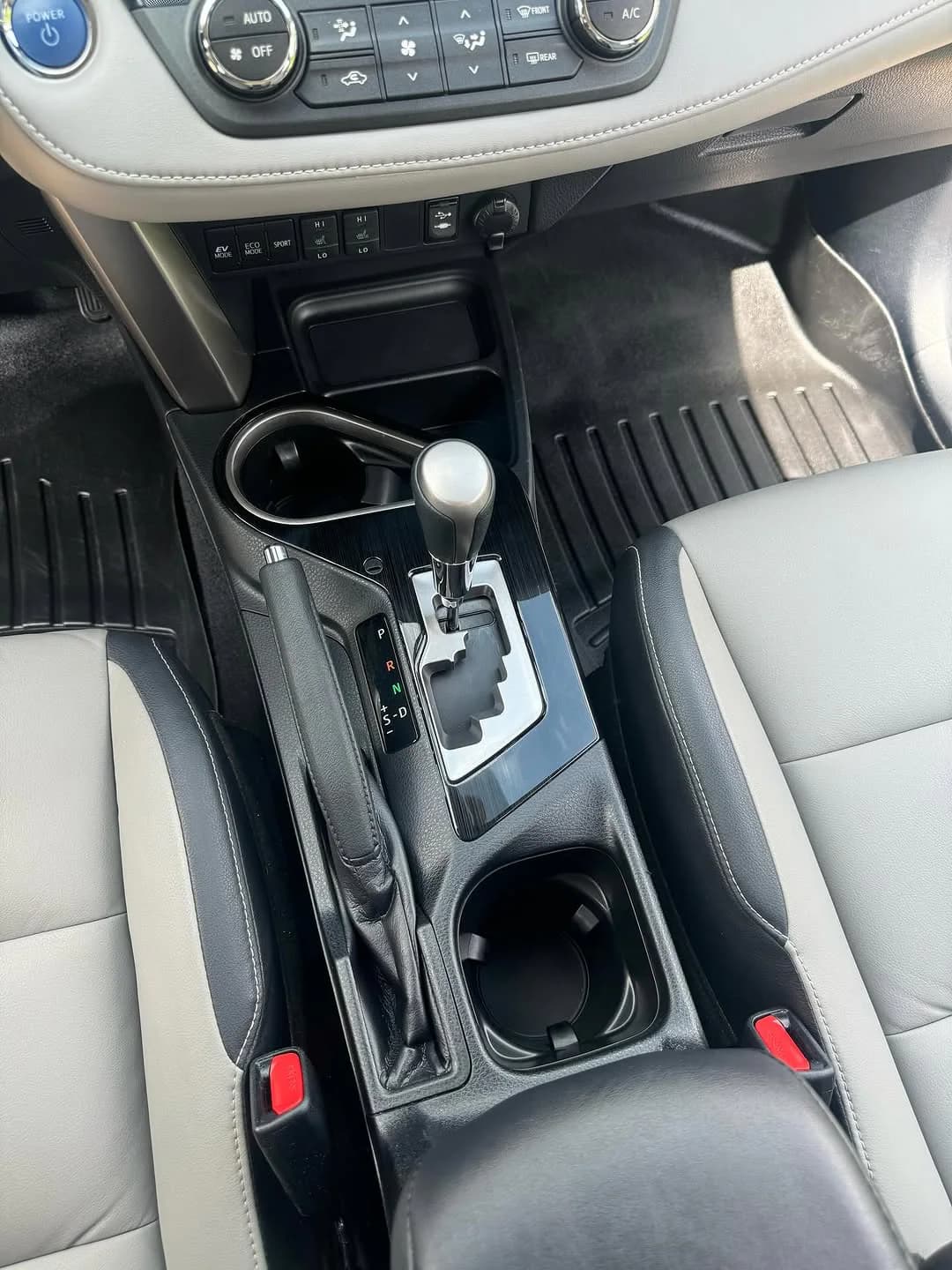
Use condition triggers instead of calendar guesses
Watch for the points that matter in your own vehicle: debris spreading beyond removable mats, drink residue that is no longer fresh, hair collecting in several rows, exterior film that ordinary upkeep is not addressing, or the cabin becoming harder to use comfortably. Those are conversation triggers, not fixed rules.
When requesting a quote, say when the last deeper detail occurred if you know, how the vehicle is used, what changed, and what standard you are trying to preserve. That gives a maintenance discussion real context without turning a general guide into a promise of scope, timing, or price.
- When the last reset happened, if known
- How the vehicle is used now
- What condition changed
- What you most want to preserve
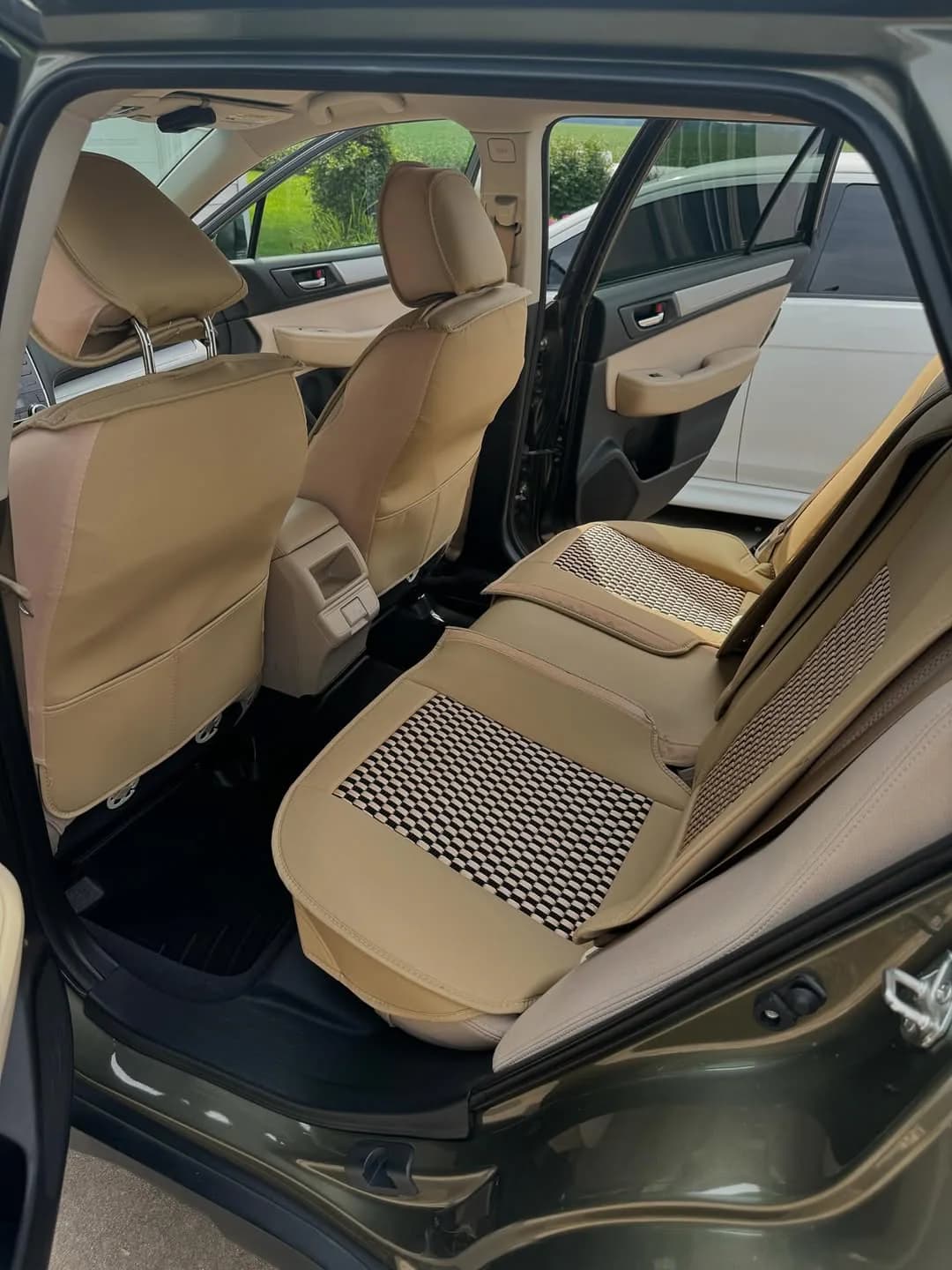
Use the guide
Now describe the vehicle in front of you.
These notes provide context, not a diagnosis, quote, or guaranteed outcome. Current condition still decides the conversation.