
Seasonal field note
An Iowa Winter Interior Reset: Salt, Sand, and the Spring Thaw
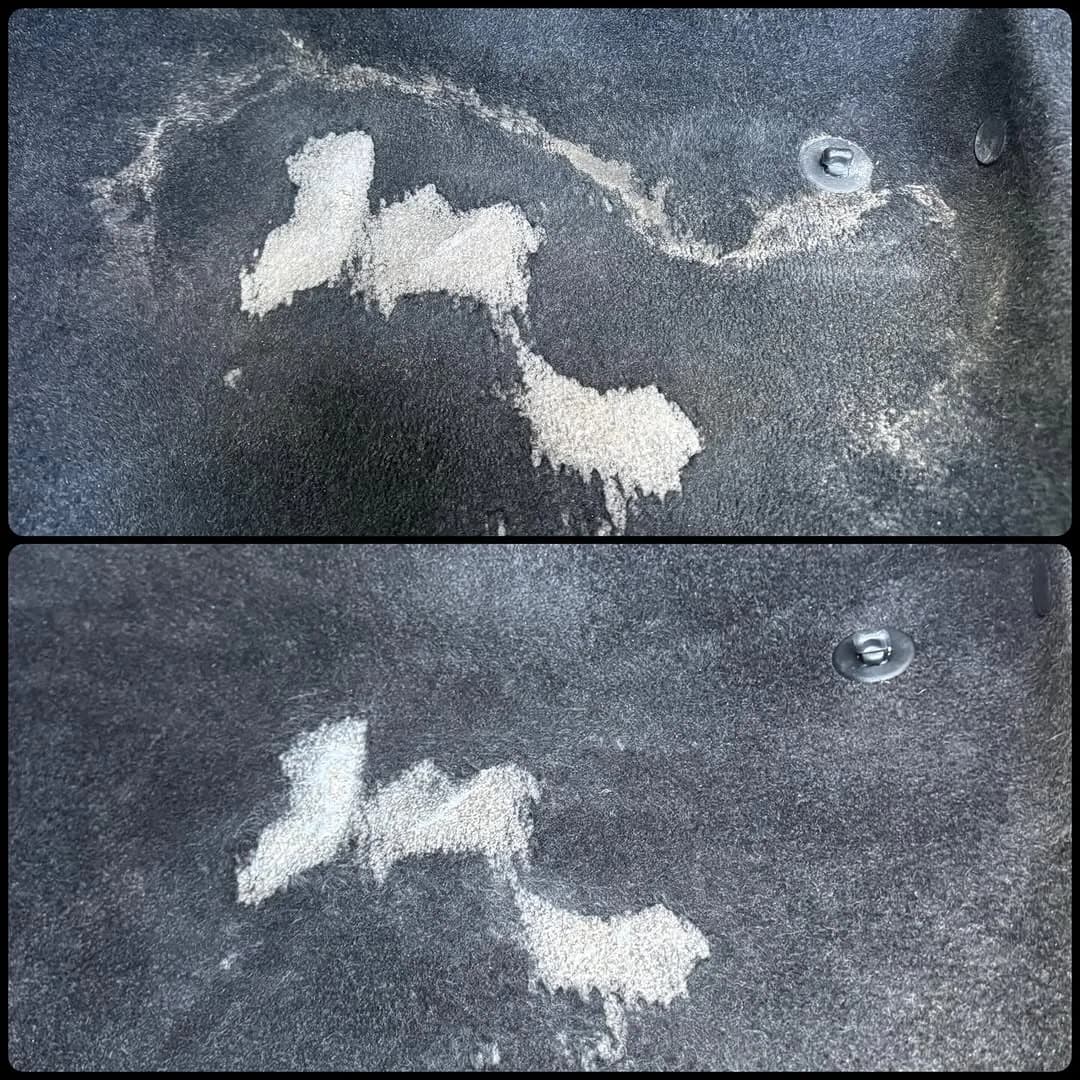
Winter does not leave a vehicle all at once. The obvious snow disappears first. The pale crust around mat edges, grit under seat tracks, damp cargo corners, and repeated boot traffic can remain long after the roads look clear. A useful spring reset starts by reading where that material traveled, not by treating the cabin as one uniform surface.
Start at the paths your boots repeat
Iowa winter operations use salt, brine, and other materials to manage snow and ice. Inside a vehicle, those road materials arrive mixed with moisture and ordinary soil. The driver's footwell usually shows the heaviest traffic, but the complete path can include door sills, carpet beside the mat, the rear floor, seat rails, and the cargo area.
Before requesting a detail, lift removable mats and look around their edges. Note pale residue, dark damp-looking zones, compacted grit, or a hard boundary where a mat stopped. Those observations are more useful than simply saying the interior is dirty because they identify the surfaces and access points that need attention.
- Check beneath every removable mat
- Look beside pedals and seat tracks
- Inspect rear footwells and cargo edges
- Mention any repeated leaks or standing water separately
Sources: Iowa Department of Transportation
Dry debris and dissolved residue are different jobs
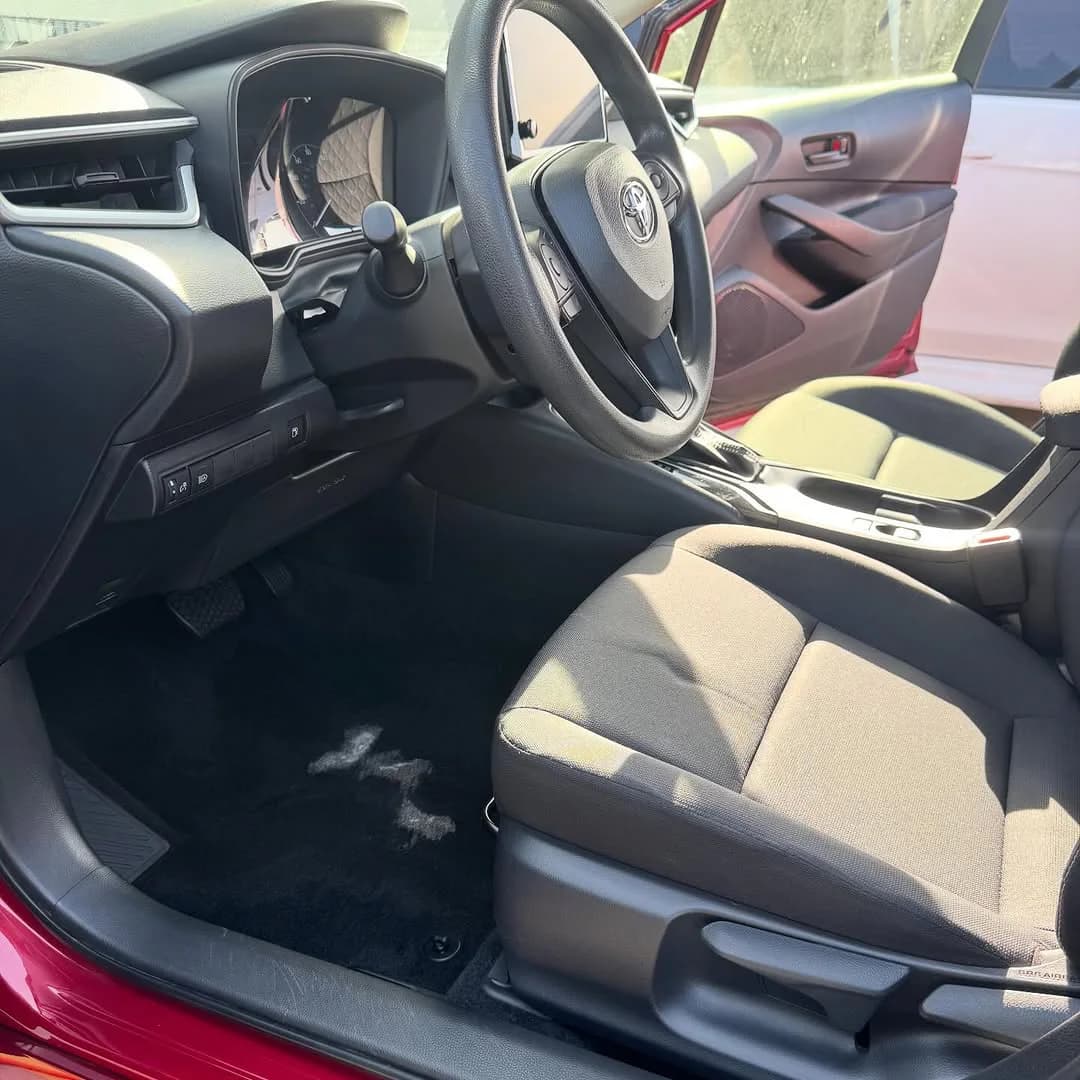
Loose sand and grit can often be lifted before wet work begins. A pale crust or tide line may require a different sequence because it has bonded to the fibers after moisture moved through the area. Rushing directly to a wet pass can turn isolated material into a larger muddy zone.
A realistic request describes both what is loose and what appears set into the fabric. Photos taken in indirect daylight help show texture without the glare of a flash. If the carpet is currently wet, say so. Persistent dampness can point to a vehicle issue that cleaning alone cannot diagnose or repair.
Decide whether this is a reset or routine upkeep
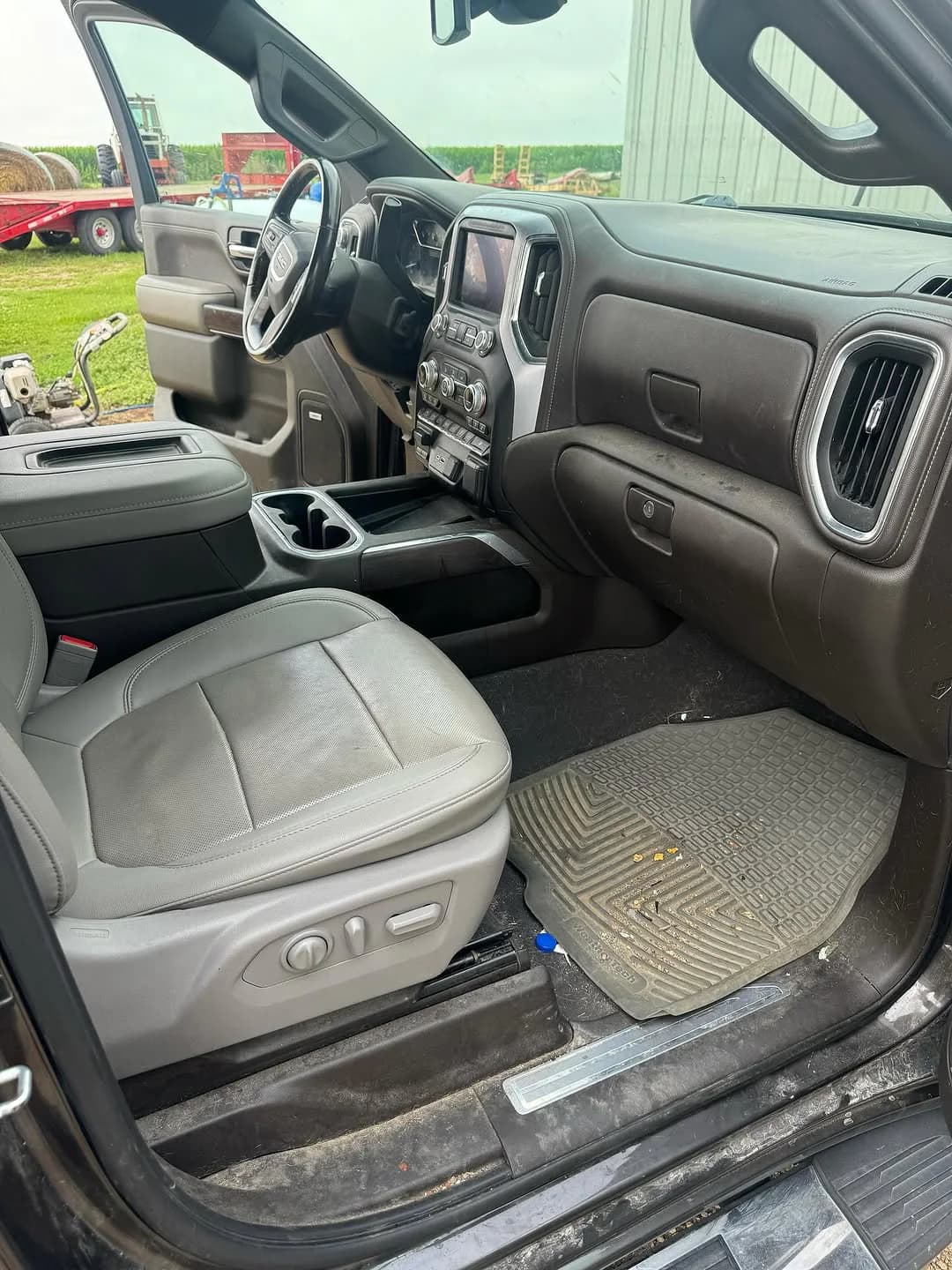
Choose a deeper reset when residue has crossed beyond removable mats, several seating rows need attention, or winter buildup is mixed with spills, pet hair, or work debris. A lighter maintenance conversation makes more sense when the cabin was previously reset and the new material is limited and recent.
Neither label promises a particular result before the surfaces are seen. Stain history, fabric type, access, vehicle size, and how long residue has remained can all change the work. Share the current condition first, then let scope follow the evidence.
- Photograph the full footwell and one close detail
- List all affected seating rows
- Separate winter residue from spills or odors
- Remove personal items you do not want handled
Sources: Iowa Department of Transportation
References
Sources for general claims
Use the guide
Now describe the vehicle in front of you.
These notes provide context, not a diagnosis, quote, or guaranteed outcome. Current condition still decides the conversation.