
Exterior vocabulary
Wash, Clay, Seal, or Wax? Four Exterior-Care Terms Explained
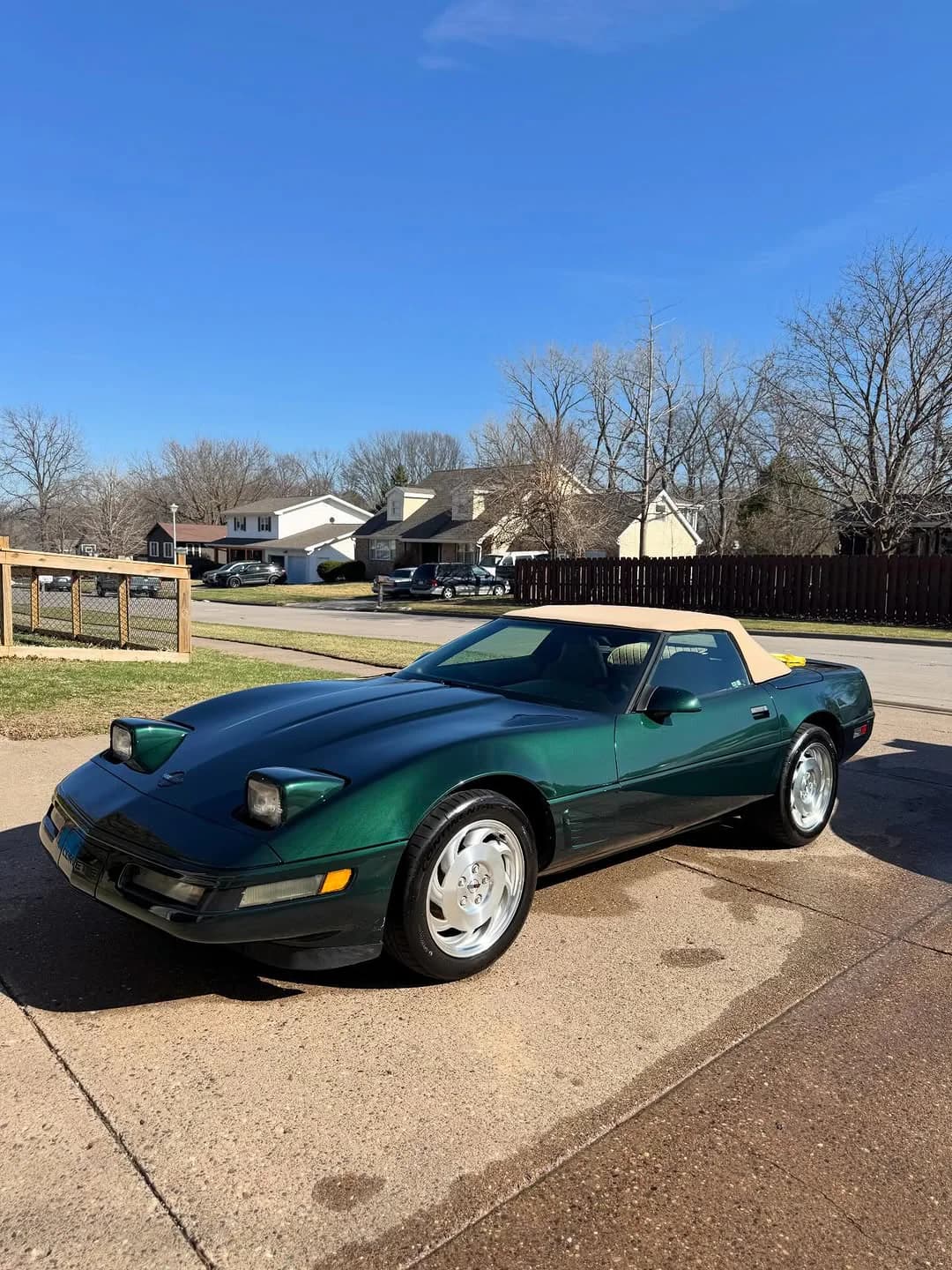
Exterior-care language can sound like four versions of the same promise. It is more useful to treat wash, clay, seal, and wax as different questions about the surface: what is loose, what is bonded, what protection is being applied, and what finish or upkeep goal matters to the owner.
Wash addresses loose surface contamination
A wash is the base conversation: remove ordinary loose dirt and road film from the exterior using an appropriate process. It does not automatically mean bonded contaminants are removed, paint defects are corrected, or long-term protection has been installed. Those are separate scopes.
The setting matters, too. Wash water can carry soap, oil, metals, sediment, and other material. EPA best-management guidance emphasizes preventing polluted wash water from reaching storm drains or surface waters. Mobile exterior work therefore depends on a suitable real-world location, not only a service label.
Sources: U.S. Environmental Protection Agency
Clay is about bonded material, not scratch repair
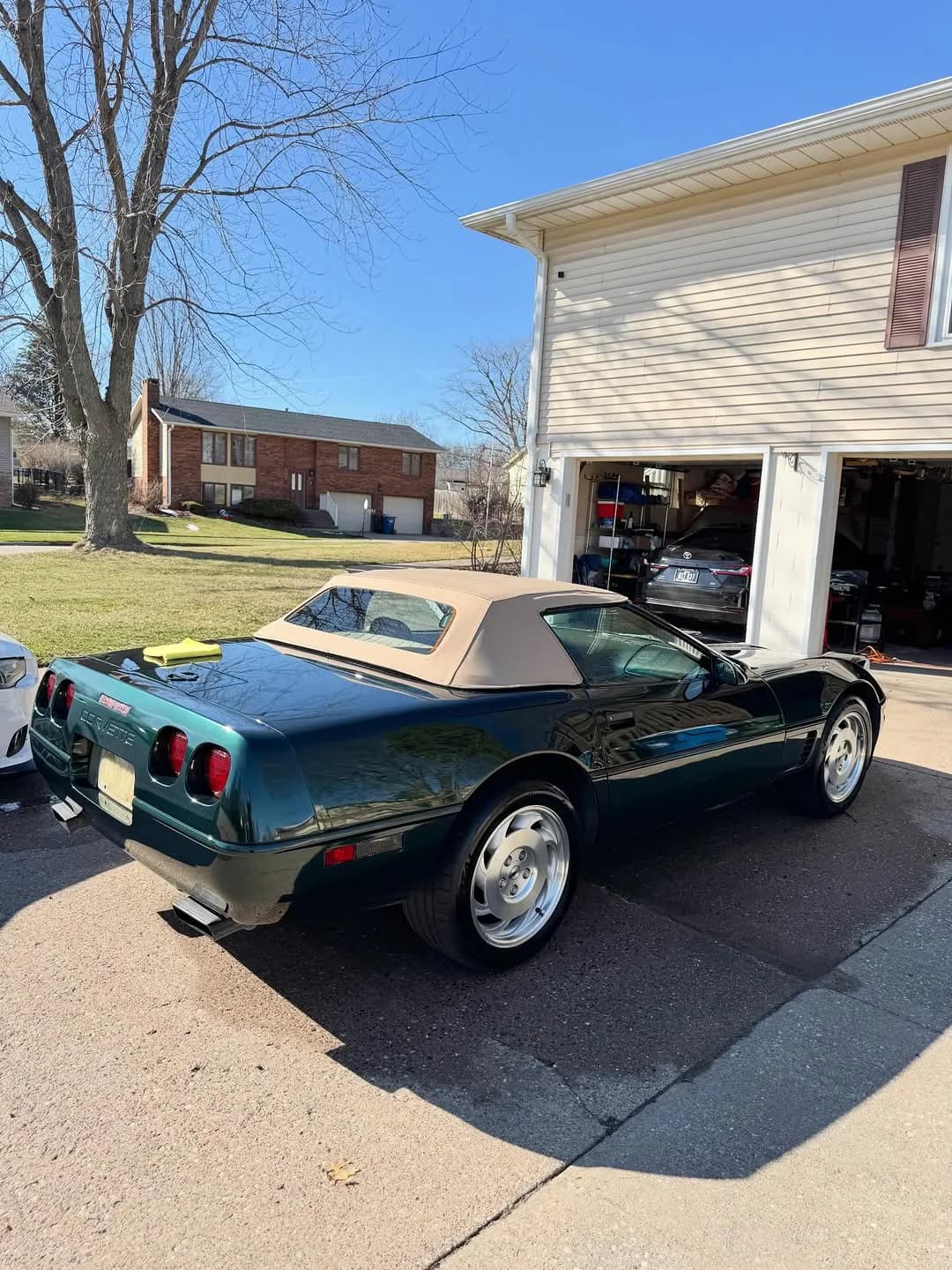
Detailing clay is designed to pick up certain contaminants bonded to an automotive finish after normal washing. Manufacturer instructions describe using the material with lubricant and working it across a clean, cool surface. That role is different from polishing or paint correction.
If paint feels rough after washing, that can start a decontamination conversation. It is not a reason to rub an unknown product aggressively across the surface. Existing paint condition, contamination, temperature, lubrication, and technique all matter, and any deeper paint concern should be assessed before scope is assumed.
- Wash: loose dirt and road film
- Clay: certain bonded surface contamination
- Correction: a separate paint-defect conversation
- Protection: what remains after the surface is prepared
Seal and wax describe the protection conversation
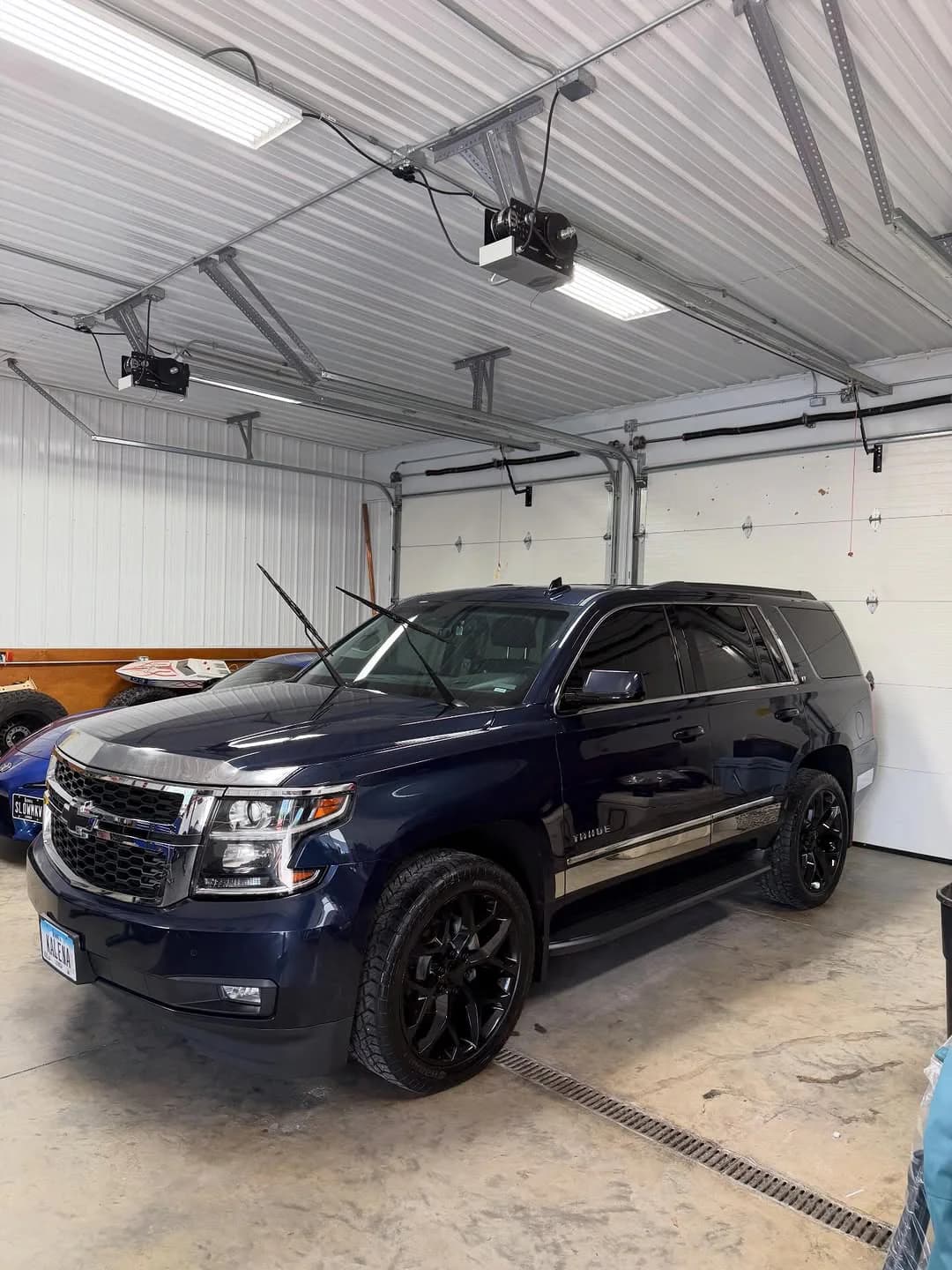
Sealant and wax are protection terms, but a label alone does not tell you preparation, product, durability, finish character, or maintenance needs. Ask what exterior condition the service fits and what is included before protection is applied. A glossy photograph cannot establish every technical detail about a product or surface.
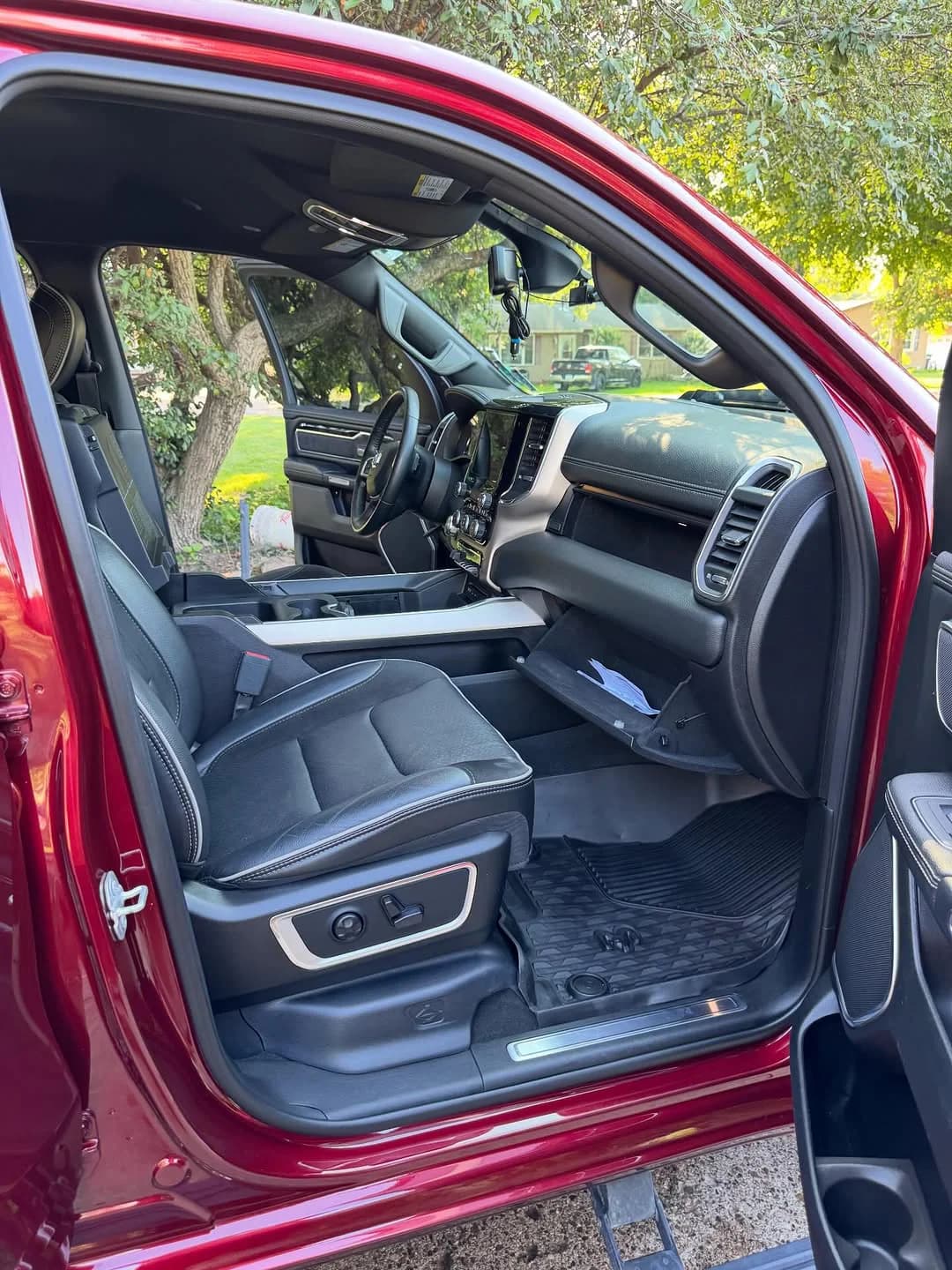
Evolution X has published real wash-and-seal, wash-and-wax, paste-wax, clay, and paint-sealant work. Use those examples to begin a condition-based request, then confirm the exact scope for the vehicle in front of you. Avoid treating a broad exterior term as a guaranteed result or fixed timeline.
References
Sources for general claims
Use the guide
Now describe the vehicle in front of you.
These notes provide context, not a diagnosis, quote, or guaranteed outcome. Current condition still decides the conversation.