
Request guide
How to Prepare for a Mobile Detail Request
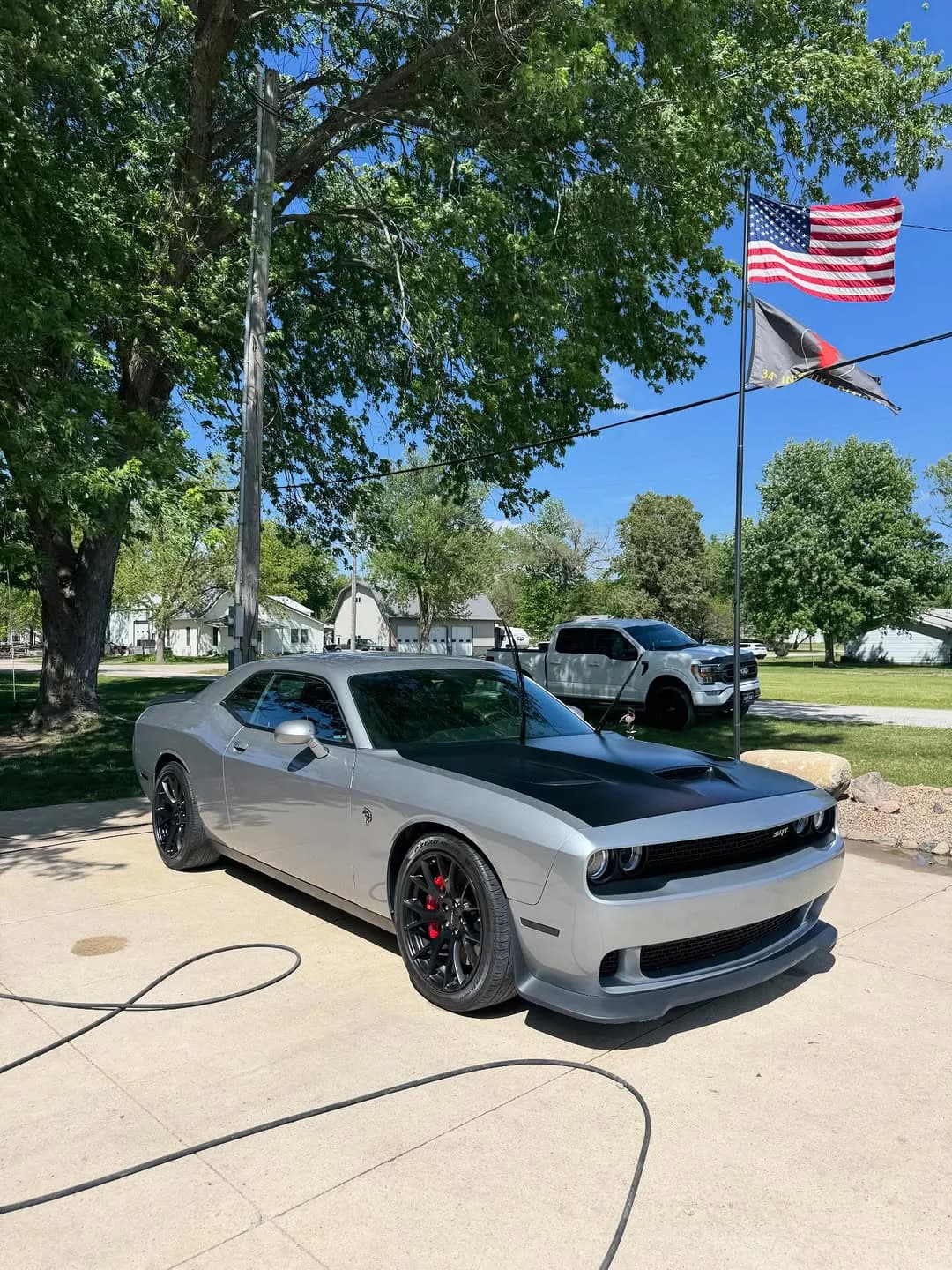
A useful mobile-detail request is not a polished sales brief. It is a clear snapshot of the vehicle, the condition that matters, and where the vehicle will be parked. That context helps both sides decide what conversation should happen next without pretending an unseen vehicle can be scoped precisely.
Send the wide view before the close-up
Begin with the year or model if known, body style, seating rows, and whether your priority is inside, outside, headlights, or a combination. Then describe the condition in ordinary language. Pet hair in the cargo area, salt at the driver's mat, a drink spill on a rear seat, or haze on both lenses is more actionable than choosing a package name you are unsure about.
A small photo set can do the same job. Include one view that establishes the whole vehicle or cabin and close views of the two or three areas that concern you most. The close view shows texture; the wide view shows scale and access.
- Vehicle and body style
- Service interest or main concern
- One wide photo
- Two or three condition close-ups
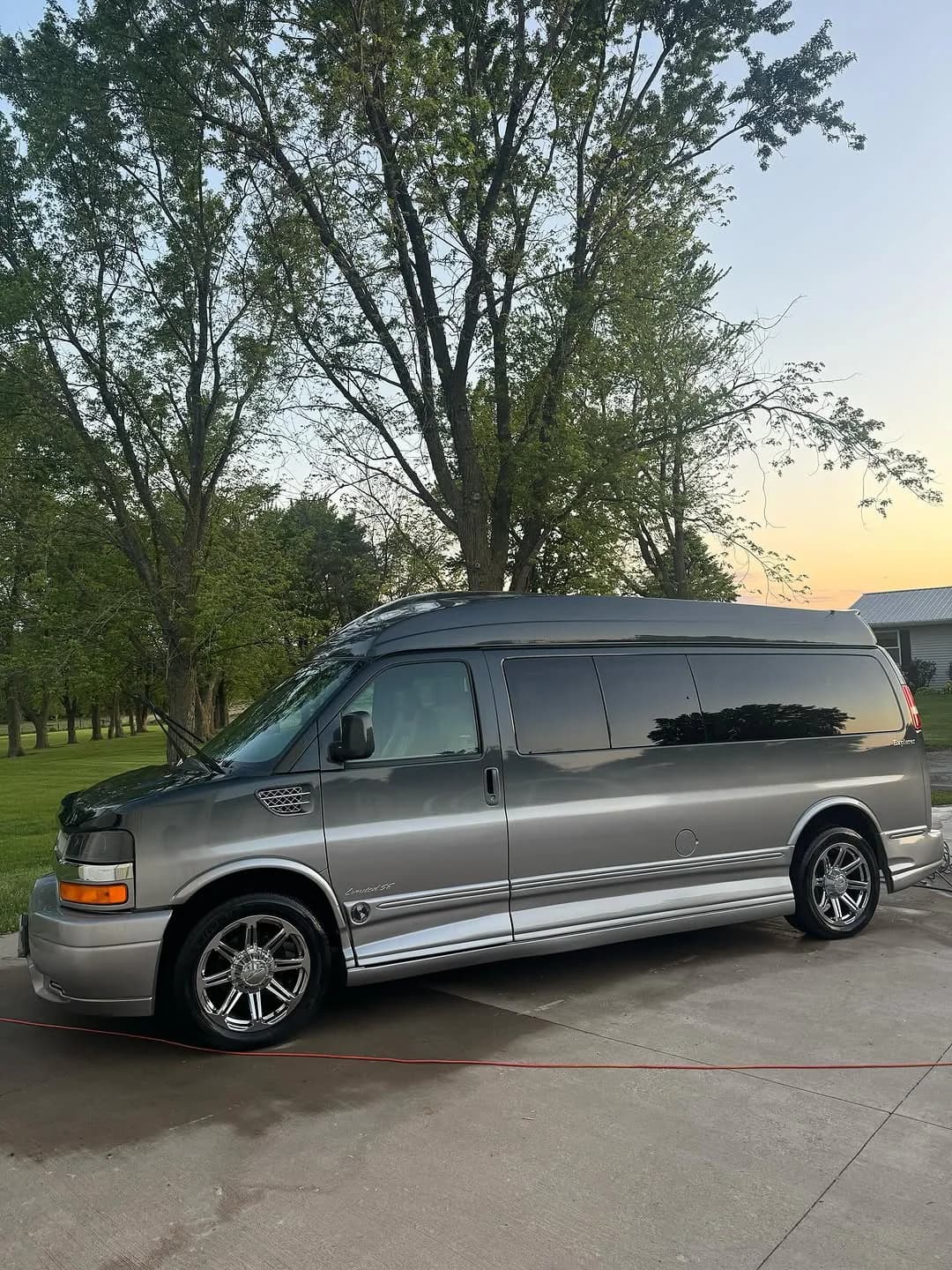
Explain the parked location, not just the city
Mobile work happens around the vehicle, so the parked setting is part of the request. Share the city or area, whether the space is a driveway, lot, or another permitted location, and any access detail that might affect a conversation. Do not assume a public or shared property allows vehicle work; permission belongs with the property rules.
Weather and runoff are also real-world considerations. The U.S. Environmental Protection Agency publishes best-management guidance for vehicle washing that focuses on keeping wash water and pollutants away from storm drains and surface waters. The exact setup is something to confirm, not something this site promises in advance.
- City or general area
- Type of parking space
- Property permission when relevant
- Known access restrictions
Sources: U.S. Environmental Protection Agency
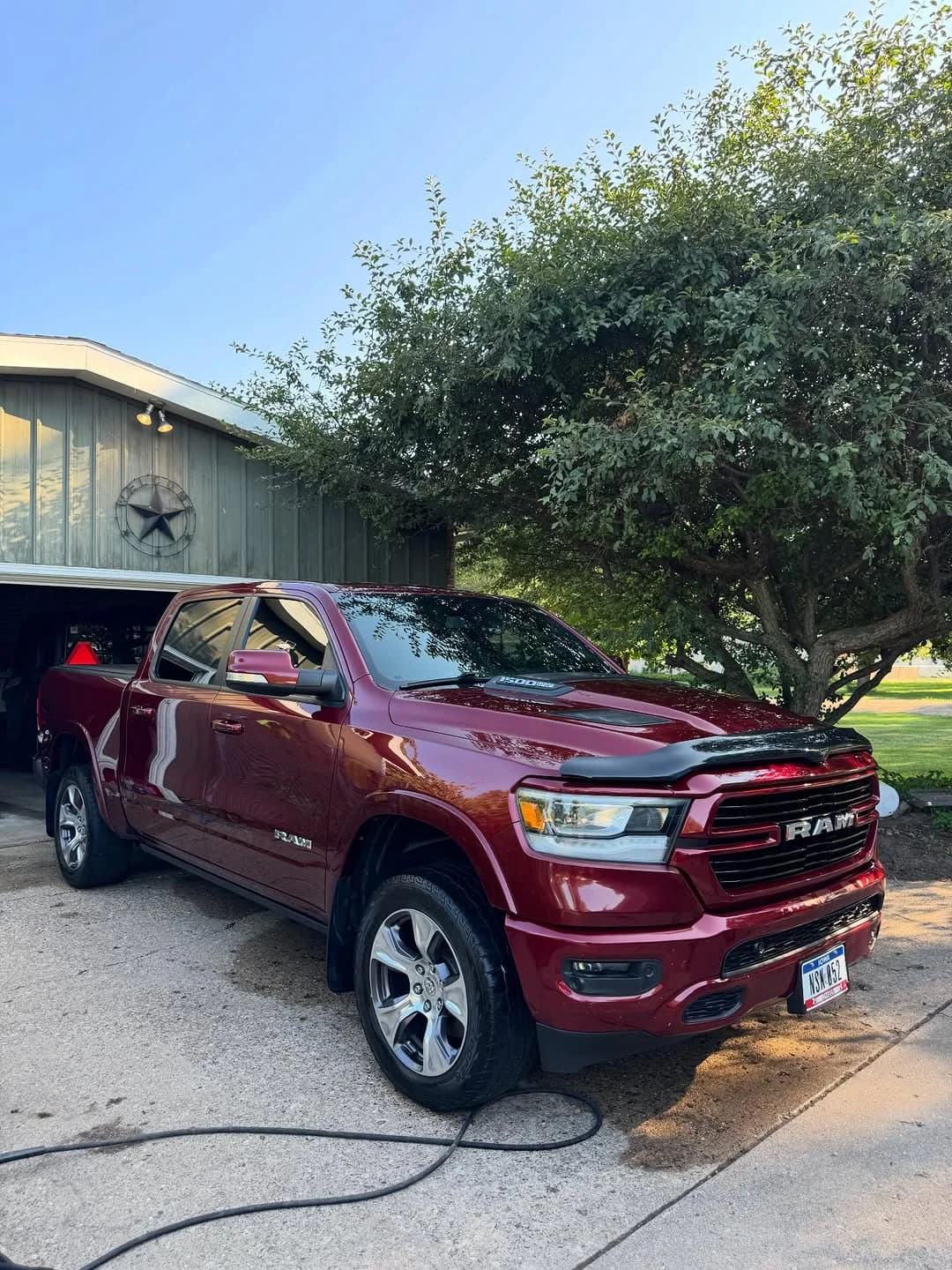
Clear personal items, but do not hide the condition
Remove valuables, documents, child-seat accessories, loose tools, and personal items you do not want handled. Keep the visible condition honest. Vacuuming everything before sending photos can make it harder to understand the original job, while leaving a cabin full of unrelated belongings can make important areas impossible to see.
Finally, identify the outcome you care about most. That might be a more usable work truck, a family cabin reset, exterior upkeep, or clearer-looking headlight lenses. A priority is not a guarantee; it gives the first conversation a sensible center.
References
Sources for general claims
Use the guide
Now describe the vehicle in front of you.
These notes provide context, not a diagnosis, quote, or guaranteed outcome. Current condition still decides the conversation.