
Lens decision guide
Hazy Headlights: When to Discuss Restoration and When to Ask About Replacement
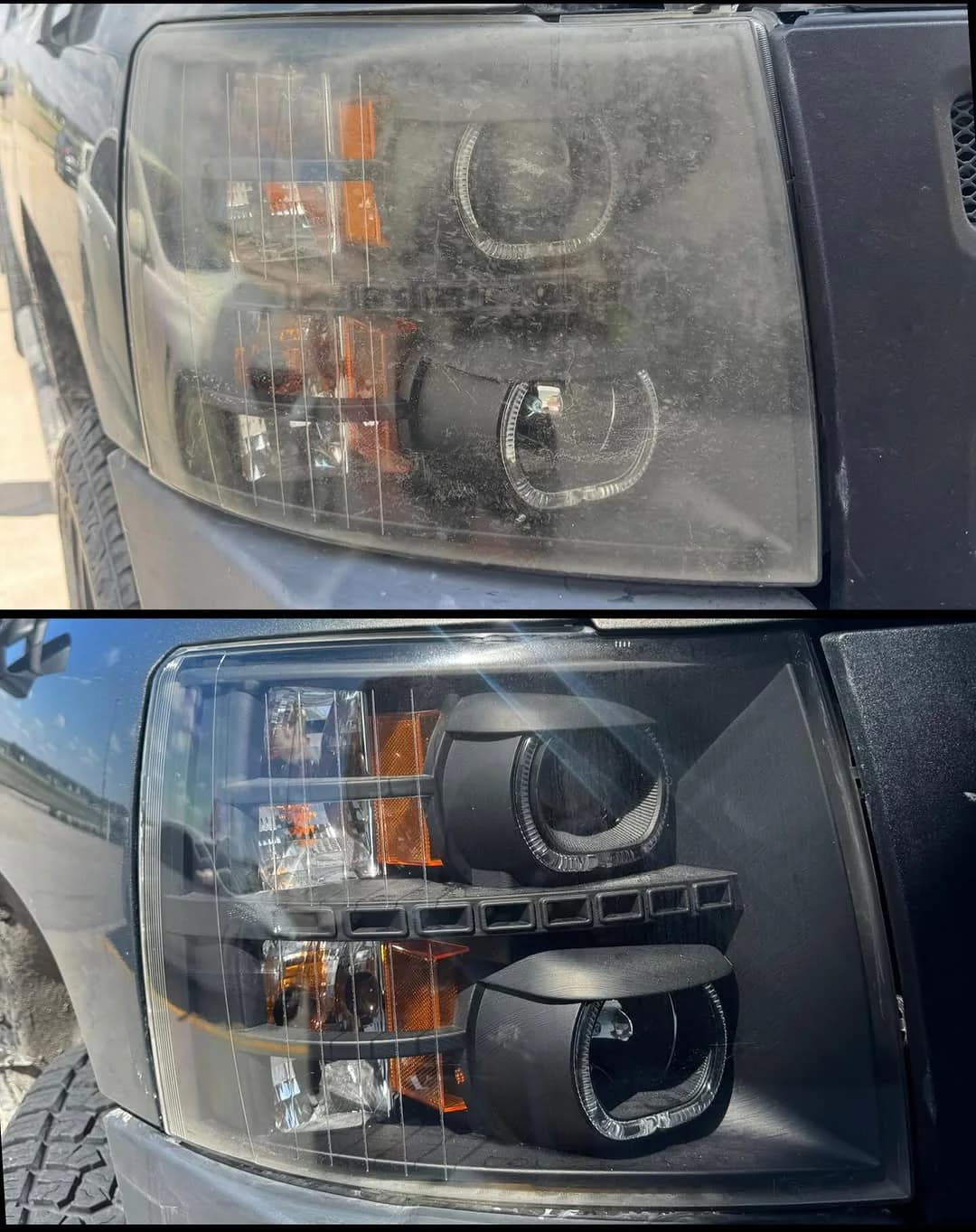
A cloudy headlight can be an exterior-lens problem, an internal problem, an electrical problem, or more than one at once. Restoration is a sensible conversation when deterioration is on the outside surface. It is not a blanket substitute for inspection, repair, or replacement.
First identify where the haze appears to be
Exterior oxidation often presents as a dull, yellowed, or cloudy layer on the outer lens. Look at both lamps in daylight and from several angles. If the change follows the outside surface and the housing otherwise appears intact, exterior restoration may be worth discussing.
Moisture inside the housing, cracks, broken mounts, missing seals, heat damage, or light-output problems point beyond a cosmetic exterior process. Do not describe those as ordinary haze. A restoration request should include clear photos of both lenses and any visible physical damage.
- Photograph both lenses in daylight
- Look for cracks and broken mounting areas
- Note moisture inside the housing
- Describe flicker, failure, or electrical symptoms separately
Clarity matters, but safety claims need restraint
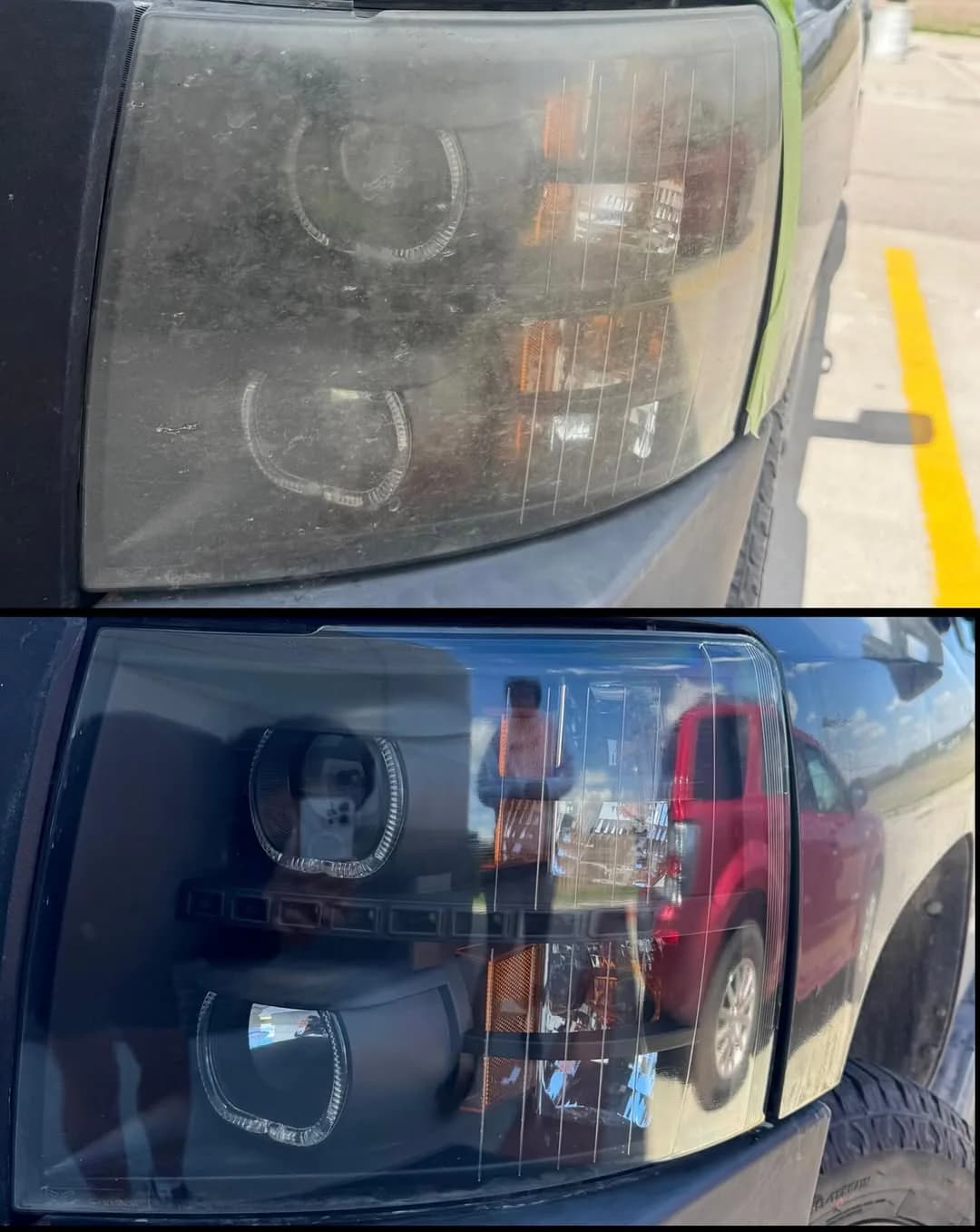
AAA testing has reported that deteriorated headlight lenses can substantially reduce light output compared with new lenses, and that professional restoration improved output in the assemblies it tested. Those findings support taking cloudy lenses seriously, but they do not predict the result for every housing, bulb, vehicle, or restoration method.
NHTSA interpretations also make clear that headlighting equipment is regulated safety equipment. A detailing site should not imply that an exterior appearance service certifies compliance or repairs electrical and mechanical defects. If performance remains questionable, the responsible next step is qualified inspection.
Sources: AAA Newsroom, National Highway Traffic Safety Administration
Use a simple restoration boundary
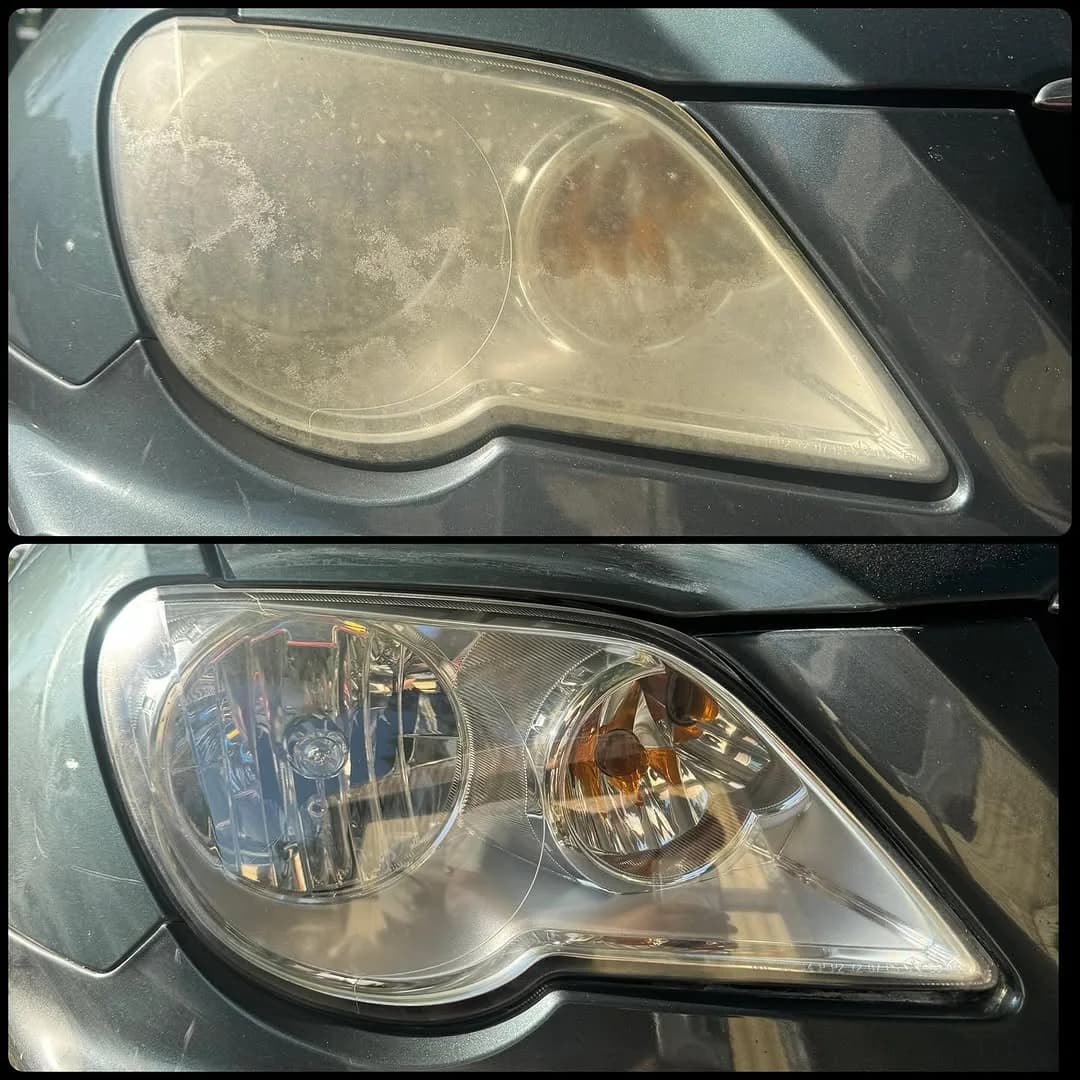
Discuss restoration when the concern appears concentrated on the outer lens and the housing is intact. Discuss inspection or replacement when damage, internal moisture, failed components, or persistent performance concerns are present. The two paths are not competitors; they answer different problems.
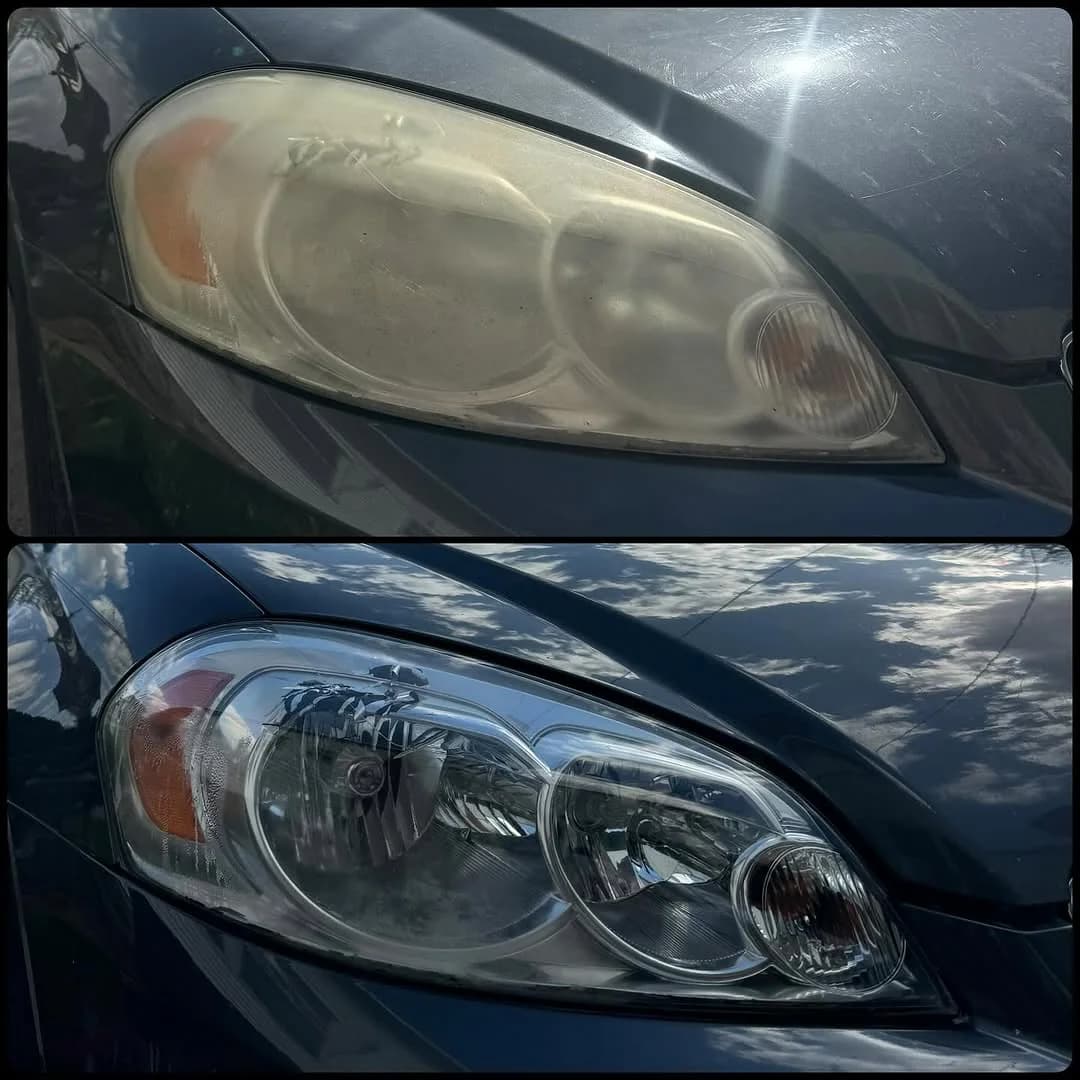
Evolution X has published exterior headlight-lens restoration work. Send current photos and describe what you see rather than assuming the old example and your lamp share the same condition. Availability and scope can then be confirmed honestly.
References
Sources for general claims
Use the guide
Now describe the vehicle in front of you.
These notes provide context, not a diagnosis, quote, or guaranteed outcome. Current condition still decides the conversation.